
DVT Ultrasound in Flemington, NJ
Concerned about a blood clot? Universal Ultrasound Diagnostics provides comprehensive lower-extremity venous ultrasound to evaluate for deep vein thrombosis (DVT) and other venous conditions, with high-quality imaging and clear communication with your provider.
Difficulty breathing, chest pain or discomfort, coughing up blood, a fast or irregular heartbeat, severe lightheadedness, or fainting — these can be signs of pulmonary embolism. Call 911 or go to the nearest emergency department immediately.
What is a DVT ultrasound?
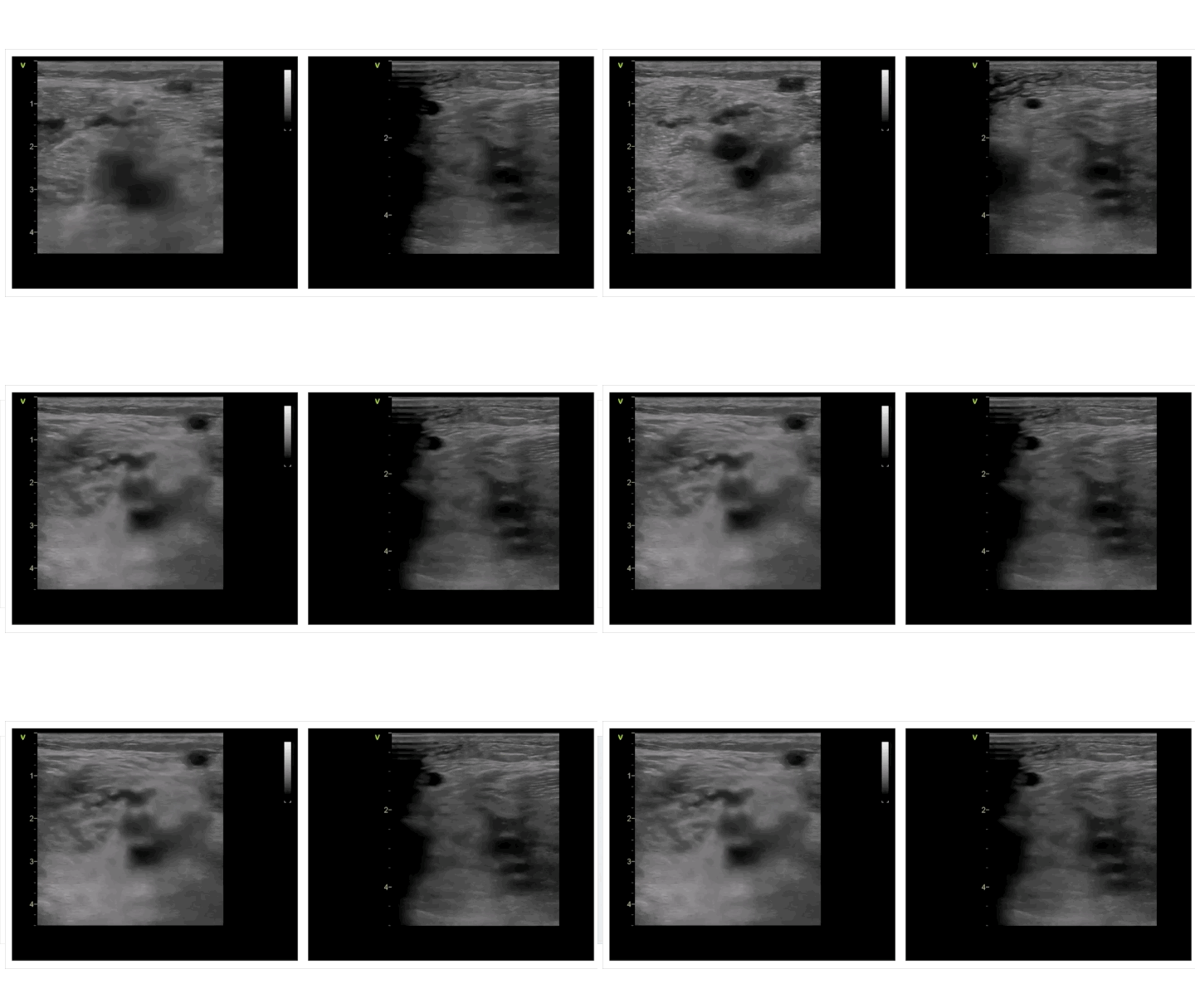
A DVT ultrasound is a noninvasive test that uses sound waves to evaluate the deep veins for blood clots. The examination commonly includes compression imaging and Doppler techniques to assess vein patency and blood flow. The test does not use ionizing radiation.
Why might my clinician order this test?
A DVT ultrasound may be ordered when symptoms or risk factors raise concern for a blood clot.
What happens during the exam?
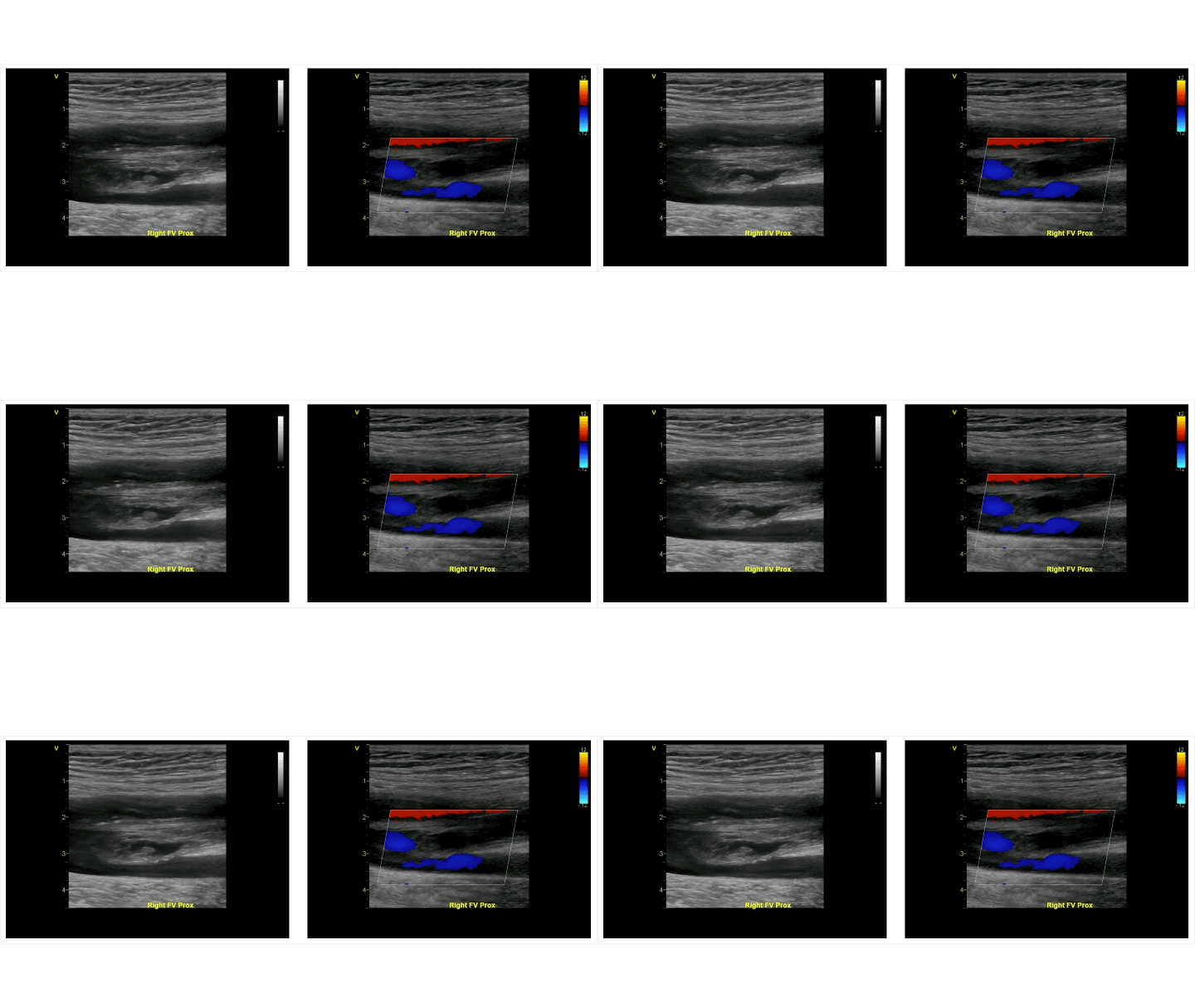
A credentialed technologist places ultrasound gel on the leg and uses a transducer to evaluate the veins. Gentle pressure is applied at specific locations to assess whether the veins compress normally, and Doppler may be used to evaluate blood flow.
Gel & positioning
Ultrasound gel is applied and you're positioned comfortably for imaging of the leg.
Compression imaging
The technologist applies gentle pressure at specific points to check that veins compress normally.
Doppler flow assessment
Doppler ultrasound evaluates blood flow through the deep and superficial venous system.
Areas examined, timing & results
What areas are examined?
Imaging covers the deep and superficial lower-extremity venous systems, following our accredited protocol and the exact study ordered by your clinician.
How long does the test take?
Appointment length can vary with exam complexity.
What happens after the ultrasound?
Reports are sent directly to your doctor quickly and securely.
Frequently Asked Questions
How does ultrasound detect DVT?
Ultrasound evaluates the veins using real-time imaging, compression, and Doppler techniques. A vein that does not compress normally or shows other abnormal findings may raise concern for thrombosis; the interpreting clinician makes the diagnosis based on the completed study and clinical context.
Does a DVT ultrasound hurt?
The test is noninvasive. You may feel pressure when the technologist compresses the veins, especially if the leg is already tender.
Do I need a physician's order?
Policy varies by insurance-billed versus self-pay testing.
How quickly are results available?
Turnaround time and handling of urgent findings follow internal policy.
Does insurance cover DVT ultrasound?
Coverage depends on your plan, medical necessity, referral requirements, and network status. Visit our Accepted Insurances page and confirm your benefits before your visit.
What should I bring?
Recommended: photo ID, insurance card if using insurance, physician order/referral if required, and any relevant prior imaging information.
Can a DVT be present without symptoms?
Yes. Some people with DVT have no symptoms, which is why clinical evaluation and appropriate diagnostic testing are important when a healthcare provider is concerned about a blood clot.
Need a DVT Ultrasound?
Book online or call/text our Flemington office. If you have emergency symptoms, call 911.