
Venous Insufficiency & Reflux Ultrasound in New Jersey
Universal Ultrasound Diagnostics provides venous insufficiency and reflux ultrasound in Flemington, New Jersey. This specialized examination evaluates how well the valves in the leg veins are functioning and identifies abnormal backward flow that may contribute to chronic venous disease, swelling, varicose veins, skin changes, or leg discomfort.

What is venous reflux?
Healthy venous valves help move blood back toward the heart. When valves do not close effectively, blood can flow backward (reflux), increasing venous pressure in the legs.
What does the ultrasound evaluate?
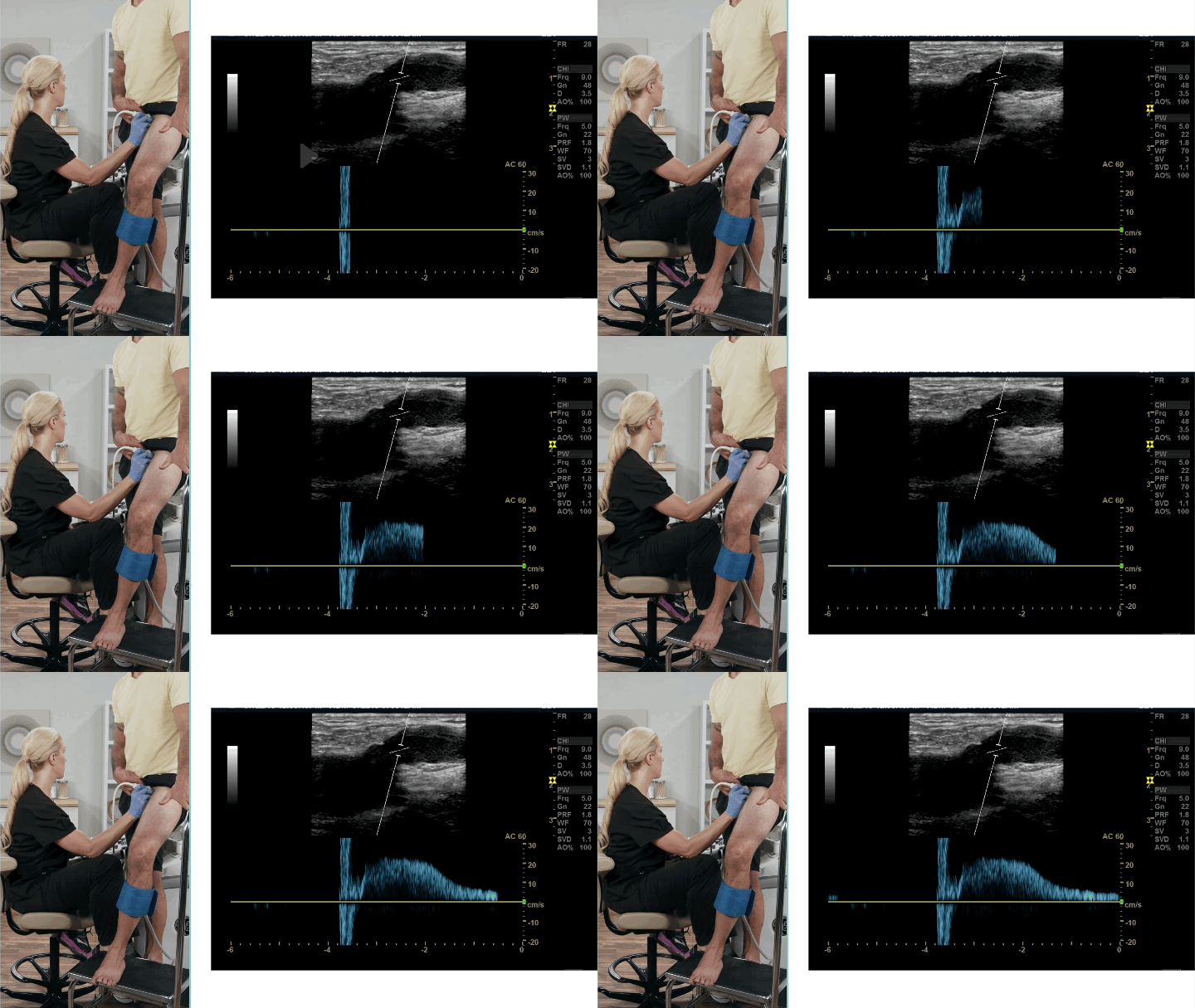
How is this different from a DVT ultrasound?
A DVT ultrasound focuses on whether a blood clot is present. A reflux study also evaluates venous valve function and abnormal reverse flow. Depending on the order and protocol, the examination may include both patency and reflux assessment.
What happens during the exam?
A credentialed technologist applies ultrasound gel and images the leg veins with duplex ultrasound. Doppler measurements, combined with specific maneuvers, help assess how well your venous valves are closing and whether reflux is present.
Gel & positioning
Ultrasound gel is applied and you're positioned for imaging of the leg veins.
Duplex imaging
The technologist images the deep and superficial veins to assess anatomy and compressibility.
Reflux & Doppler assessment
Doppler measurements assess valve function and blood-flow response to maneuvers that help identify reflux.
Areas examined, timing & results
What areas are examined?
Imaging covers the deep and superficial venous system of the leg, following our accredited protocol and the exact study ordered by your clinician.
How long does the exam take?
Typically 45 minutes.
What happens after the ultrasound?
Reports are sent directly to your doctor quickly and securely.
Stat results are provided immediately, routine results within 24 hours.
Frequently Asked Questions
What symptoms can be associated with venous insufficiency?
Symptoms can include aching, heaviness, swelling, visible varicose veins, itching, skin changes, or discomfort that worsens with prolonged standing. Other conditions can cause similar symptoms, so clinical evaluation is important.
Do I have to stand during the exam?
Yes, you will likely be asked to stand for portions of a venous reflux ultrasound exam because gravity helps reveal leaking vein valves and accurate blood flow patterns.
If standing safely is difficult for you, the facility may use a specialized tilt table or a semi-reclined angle to keep you upright without full weight-bearing.
Does the test hurt?
The exam is noninvasive, though compression and positioning may cause temporary discomfort.
Can this test help plan vein treatment?
The ultrasound can map venous anatomy and reflux patterns that clinicians may use when evaluating treatment options.
How long does it take?
Typically 45 minutes.
Do I need an order?
Policy varies by insurance-billed versus self-pay testing: you don't need a physician order if you're self-pay testing, you'll need an order if you go through insurance, with appropriate CPT code and symptomatology ICD 10 code
Schedule a Venous Reflux Study
Schedule online or call/text our Flemington office.